Vasai water sources conservation has become a pressing concern as rapid urbanisation threatens the region’s traditional water systems and ecological balance.
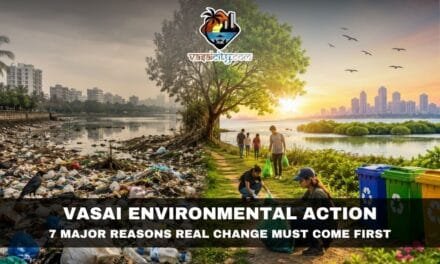
For generations, Vasai-Virar has been known for its fertile land, lush greenery, and abundant water reserves. From orchards and vegetable farms to freshwater wells and ponds, the region once thrived on its natural wealth. However, this identity is now under serious threat due to unchecked development, concrete expansion, and lack of environmental planning.
Table of Contents
Growing Crisis in Vasai Water Sources Conservation
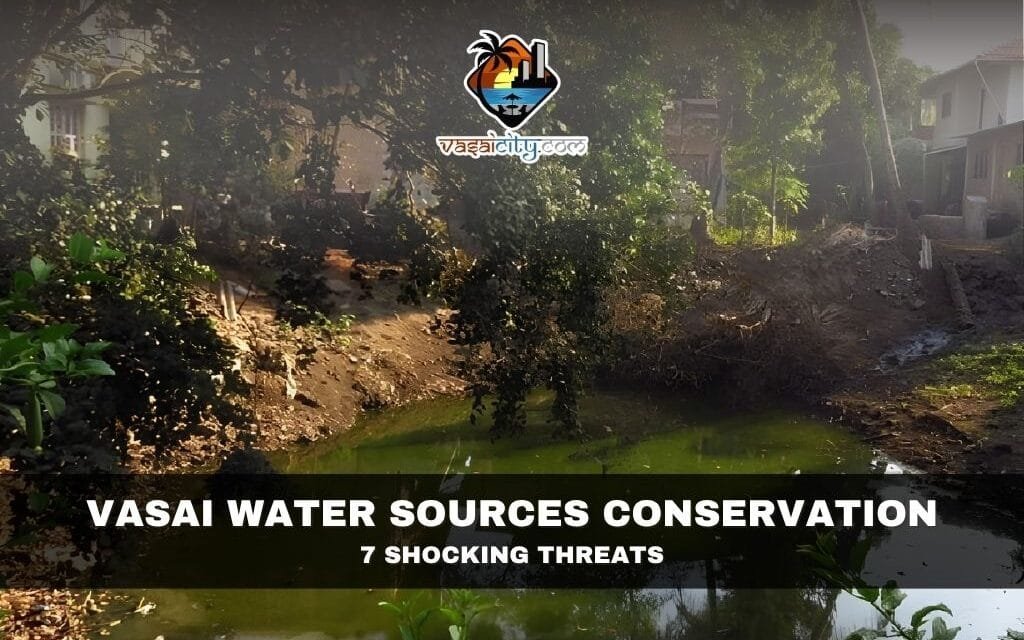
The issue of Vasai water sources conservation has come into sharp focus as traditional water bodies, especially bavkhals (natural wells and water reservoirs), are rapidly disappearing. These water sources are being filled with debris and soil, often to make way for construction projects.
This trend has raised alarm among environmentalists and local residents. The destruction of these natural systems is not just about losing water bodies—it could lead to long-term ecological damage, including falling groundwater levels and water scarcity in the future.
Why Bavkhals Are Vital for Vasai Water Sources Conservation
Bavkhals are more than just wells; they are a crucial part of Vasai water sources conservation. These natural reservoirs help recharge groundwater, maintain water quality, and support biodiversity.
They also play a significant role in flood control by absorbing excess rainwater during monsoons. For decades, local agriculture—including flower farming and vegetable cultivation—has depended on these water sources.
Losing bavkhals would mean disrupting this delicate ecological balance and threatening the livelihoods of many farmers in the region.
Urbanisation vs Environment: A Dangerous Trade-off
As villages transform into urban settlements, the lack of environmental foresight is becoming evident. In several parts of Vasai-Virar, bavkhals have already been destroyed or are on the verge of extinction.
Recently, an incident in Vasai West’s Merces Jamsetwadi area highlighted how a bavkhal was allegedly filled with debris. Similar cases have been reported in the past, indicating a recurring pattern.
The conflict between development and Vasai water sources conservation is becoming increasingly visible. While infrastructure growth is necessary, ignoring environmental sustainability could lead to irreversible damage.
Citizens Launch Movement for Vasai Water Sources Conservation
Recognising the seriousness of the situation, environmental activists and concerned citizens have once again united to push for Vasai water sources conservation.
Meetings and awareness campaigns are being organised across the city to highlight the importance of preserving natural resources. Activists are urging authorities to take strict action against illegal filling of water bodies and ensure proper monitoring.
This growing movement reflects a collective realisation: protecting water sources is essential for securing Vasai’s future.
Need for Strict Implementation and Government Action
While some steps have been initiated by local authorities, including directives to survey existing water bodies, the real challenge lies in implementation.
For effective Vasai water sources conservation, it is not enough to document these resources on paper. Authorities must ensure their physical protection and restoration.
According to environmental guidelines shared by the Central Ground Water Board, preserving natural recharge systems like wells and ponds is critical for maintaining groundwater levels.
Without strict enforcement, even well-intentioned policies may fail to deliver results.
Role of Vasai-Virar Municipal Corporation
The responsibility of Vasai water sources conservation also lies with the municipal administration. Permissions for construction projects must be granted only after careful environmental assessment.
Allowing development over natural water bodies can have long-term consequences, including water shortages and increased flooding risks.
The municipal corporation must take proactive steps to identify, protect, and restore these water sources before it’s too late.
A Cultural and Environmental Responsibility
Water is not just a resource – it is the foundation of life. The ongoing Vasai water sources conservation movement is not only about saving water but also about preserving the region’s cultural heritage and natural identity.
If these water bodies are not protected today, future generations may face severe consequences. The slogan “Save Bavkhal, Save Vasai” must go beyond words and become a way of life for every resident.
What Can Citizens Do?
Citizens play a vital role in Vasai water sources conservation. Simple actions like reporting illegal dumping, supporting environmental initiatives, and spreading awareness can make a difference.
Community participation, combined with strong governance, is the only way to ensure that Vasai’s natural resources are preserved.
For more local environmental updates, read our coverage on
Vasai-Virar environmental news.
Conclusion
The future of Vasai depends on how effectively we address the challenges facing its natural resources today. Vasai water sources conservation is not optional—it is essential.
With growing public awareness and collective action, there is still hope to reverse the damage. But the time to act is now.