
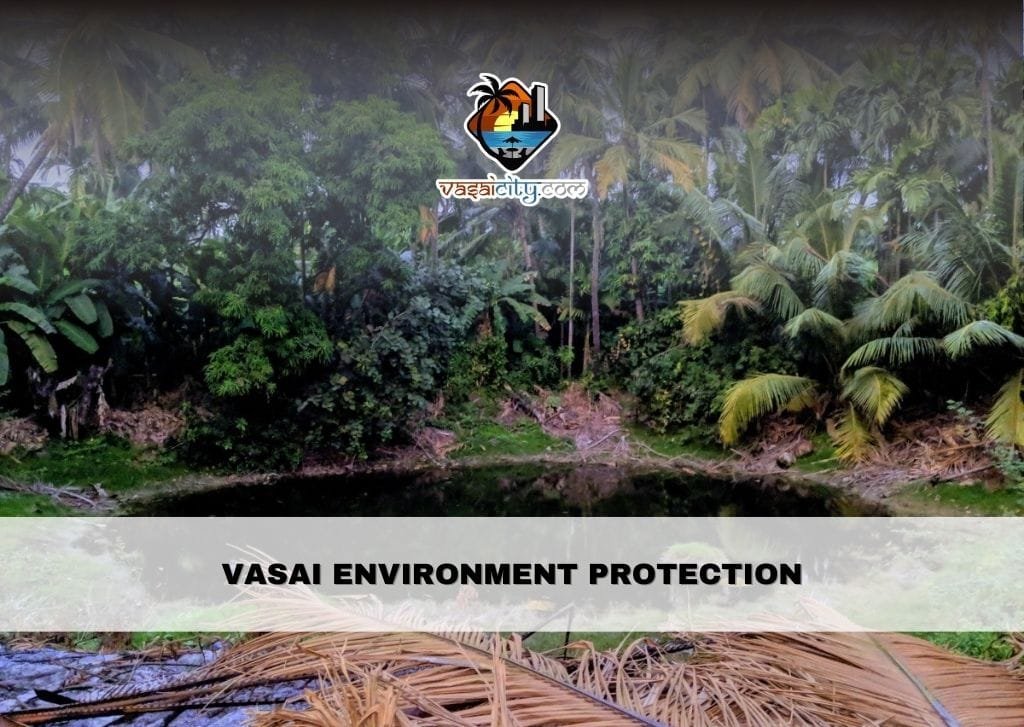
Vasai Environment Protection has become a serious concern as rapid development continues to reshape the region’s natural landscape. Once known for its lush greenery, rivers, wetlands, and traditional villages, the area around Vasai is now witnessing increasing environmental pressure from infrastructure expansion and construction projects.
Environmentalists and local residents warn that the pace of development is threatening the ecological balance that has defined the region for generations. Forest areas are shrinking, hills are being cut, wetlands are disappearing, and natural waterways are being altered.
For many citizens, protecting nature is not just about preserving beauty - it is about safeguarding the future of the region.
Table of Contents
Vasai Environment Protection: Rapid Development Threatening Natural Balance
In recent years, large-scale construction and infrastructure projects have accelerated across the Vasai sub-region. While development can bring economic opportunities, experts say poor environmental planning is creating long-term damage.
Several natural features have already begun to disappear:
- Forest patches are being cleared for construction.
- Hills are being flattened to make space for new projects.
- Small rivulets are being filled with mud or diverted.
- Rivers are increasingly facing encroachment.
- Wetlands are being filled with debris and waste.
- Agricultural lands are rapidly shrinking.
These changes are transforming the region’s landscape at an unprecedented speed. Activists argue that without strict safeguards, the environmental cost could become irreversible.
Vasai Environment Protection is therefore being viewed as a critical issue that requires immediate attention from authorities and citizens alike.
Why Vasai’s Natural Identity Matters
The identity of Vasai has always been closely tied to its natural surroundings. The region’s forests, coastline, biodiversity, and farming villages have shaped its culture and lifestyle.
Residents say the environment is not just scenery - it is a way of life.
Farmers depend on fertile land and water resources. Fishermen rely on clean rivers and coastal ecosystems. Local wildlife depends on forests and wetlands for survival.
When these ecosystems disappear, the impact goes far beyond the environment. It also affects livelihoods, local traditions, and the overall quality of life.
That is why Vasai Environment Protection is increasingly becoming a community issue rather than just an environmental debate.
Citizens Have Previously United for Vasai Environment Protection
History shows that when residents of Vasai unite, their voices can create a real impact.
In the past, strong public protests organized by citizens drew attention to environmental concerns and large development projects. These movements were powerful enough that their message reached decision-makers in Mantralaya, the administrative headquarters of the state government.
These protests demonstrated something important: local communities can influence policy when they act together.
The movements were not simply local demonstrations. They became examples of democratic participation, where ordinary citizens stood up to defend their land, environment, and rights.
Such actions highlight the importance of public engagement in Vasai Environment Protection efforts.
Social Media Alone Is Not Enough
In today’s digital age, many people express their concerns online. Social media platforms have made it easier to raise awareness about issues affecting the environment.
However, activists believe that online discussions alone cannot bring real change.
While digital campaigns help spread information, meaningful action often requires participation in public discussions, awareness campaigns, and peaceful civic movements.
Residents who care about Vasai Environment Protection are being encouraged to stay informed, participate in community meetings, and engage with policymakers responsible for environmental decisions.
Democracy works best when citizens actively participate in shaping the future of their communities.
Sustainable Development Is the Only Way Forward
Experts emphasize that development and environmental protection do not have to be opposing goals.
Instead, the future lies in sustainable development - projects that balance economic growth with environmental responsibility.
For Vasai, this means:
- Conducting strict environmental impact assessments
- Protecting wetlands and natural waterways
- Preserving remaining forest areas
- Safeguarding agricultural land
- Planning infrastructure with ecological considerations
Authorities can adopt guidelines recommended by organizations such as the Ministry of Environment, Forest and Climate Change (MoEFCC). You can read more about environmental policies on the official government website: https://moef.gov.in
Such policies can play a vital role in ensuring Vasai Environment Protection while allowing responsible development.
Community Participation Is Key to Vasai Environment Protection
Environmental protection cannot be achieved by authorities alone. It requires cooperation between citizens, policymakers, activists, and local communities.
Residents are increasingly recognizing that protecting nature also means protecting the future of their children.
Community awareness programs, environmental campaigns, and citizen movements can help strengthen Vasai Environment Protection initiatives.
Local participation ensures that development decisions consider the needs of both people and the environment.
For more local updates and civic discussions, readers can also explore other reports on VasaiCity.com.
The Future of Vasai Depends on Today’s Choices
The natural beauty of Vasai has always been one of its greatest strengths. Its forests, rivers, wetlands, and agricultural lands form a unique ecological and cultural landscape.
But without responsible planning and active public participation, this heritage could be lost.
The conversation around Vasai Environment Protection is not about stopping development—it is about guiding it responsibly.
Protecting the environment today will ensure that Vasai remains livable, sustainable, and vibrant for future generations.
The choice ultimately lies with the people, the authorities, and the policies that shape the region’s growth.
Inputs by Biju Cherian
This article is based on the author’s research and perspectives. The publisher claims no responsibility for inaccuracies. Views expressed are the contributor’s alone. Institutions mentioned are not endorsed unless specified.