
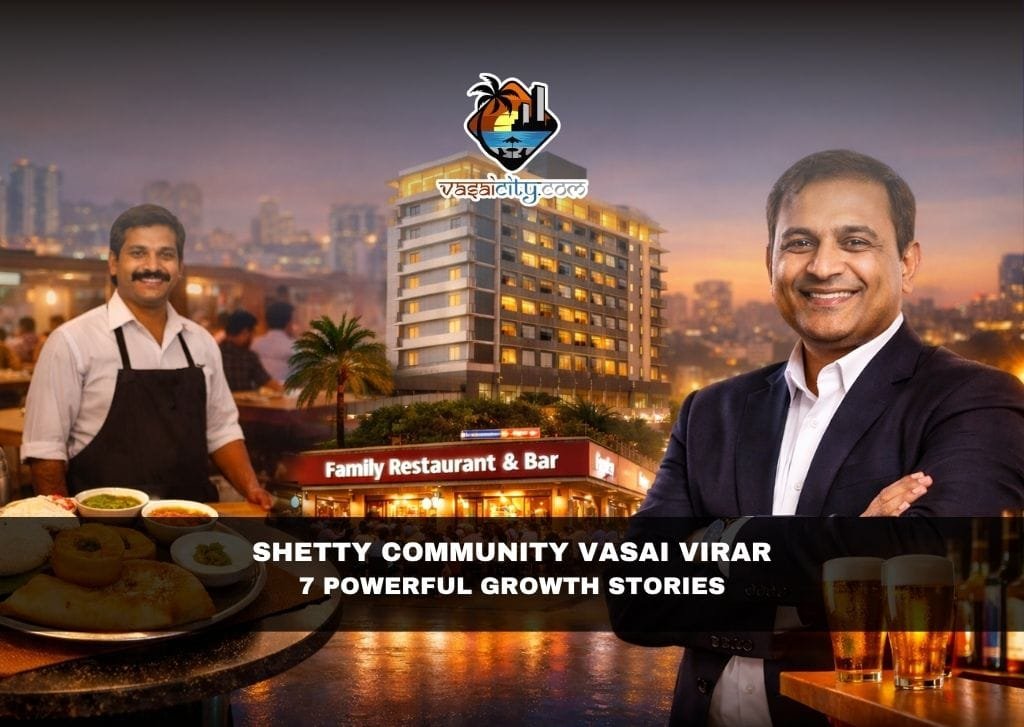
The Shetty Community Vasai Virar has played a remarkable role in shaping the region’s thriving restaurant and hospitality industry. Over the decades, this community has quietly built a strong presence, becoming a key contributor to the economic and cultural landscape of Vasai-Virar.
Originally hailing from coastal Karnataka, particularly the Tulu Nadu region that includes Udupi and Mangalore, members of the Shetty community brought with them a legacy of discipline, entrepreneurship, and adaptability. Today, their influence can be seen across countless eateries, restobars, and hotels throughout the area.
Table of Contents
A Journey from Coastal Roots to Vasai Virar
The migration of the Shetty Community Vasai Virar story began in the early 20th century. During the 1920s, many individuals from this community moved towards Mumbai in search of better opportunities. It was here that they pioneered the famous “Udupi restaurant” model, which later became a nationwide phenomenon.
As Mumbai expanded, so did nearby regions like Vasai-Virar. Recognizing the growing potential, several Shetty families set up restaurants in key commercial hubs such as Vasai Gaon. These establishments quickly gained popularity for their affordability, consistency, and quality.
The Udupi Restaurant Model That Changed Everything
One of the biggest reasons behind the success of the Shetty Community Vasai Virar lies in their standardized approach to food and service.
Key Features of Their Success:
- Consistent Menu: Staples like idli, dosa, vada, uttappa, and sambar became household favorites.
- Regional Adaptation: They introduced dishes like pav bhaji, misal pav, and even Indo-Chinese items to suit local tastes.
- Affordable Pricing: Their pricing strategy ensured accessibility for all income groups.
This model not only worked but became a blueprint that many others in the hospitality industry later followed.
Hard Work and a Unique Employment Ecosystem
Another defining strength of the Shetty Community Vasai Virar has been their strong internal support system.
Restaurant owners often brought workers from their native villages, providing them with:
- Food and accommodation
- Stable wages
- Hands-on training
This system created a reliable workforce that understood the demands of the hospitality business. Employees would often start with basic roles and gradually rise to managerial positions.
Over time, many of these workers saved enough to start their own ventures. Supported by mentors and former employers, they would open new restaurants, continuing the cycle of growth and opportunity.
Expansion into Restobars and Beyond
As Vasai-Virar developed into a bustling urban zone, the Shetty Community Vasai Virar expanded beyond traditional eateries.
They entered:
- Family restaurants and bars (restobars)
- Multi-cuisine dining spaces
- Catering services
Their understanding of customer preferences, especially in food and beverage choices, gave them a competitive edge. They were quick to adapt menus, introduce variety, and maintain service standards.
While some also explored segments like dance bars, these ventures were sometimes met with mixed reactions within the community itself.
Transition into the Hotel Industry
After years of building capital and experience, many members of the Shetty Community Vasai Virar ventured into the hotel business. This marked a significant shift from small-scale restaurants to larger hospitality enterprises.
Today, several hotels in and around Vasai-Virar are owned and managed by entrepreneurs from this community. Their journey reflects not just business growth but also long-term vision and resilience.
A Lasting Impact on Vasai Virar’s Growth
The contribution of the Shetty Community Vasai Virar goes beyond just food and hospitality. They have:
- Created thousands of jobs
- Boosted local economic activity
- Influenced dining culture in the region
Their story is deeply intertwined with the development of Vasai-Virar as a growing urban hub.
Conclusion
The journey of the Shetty Community Vasai Virar is a powerful example of how dedication, smart business practices, and community support can transform an entire region’s economy. From humble Udupi restaurants to modern hotels, their legacy continues to grow stronger with each passing year.
Inputs by Biju Cherian
This article is based on the author’s research and perspectives. The publisher claims no responsibility for inaccuracies. Views expressed are the contributor’s alone. Institutions mentioned are not endorsed unless specified.
